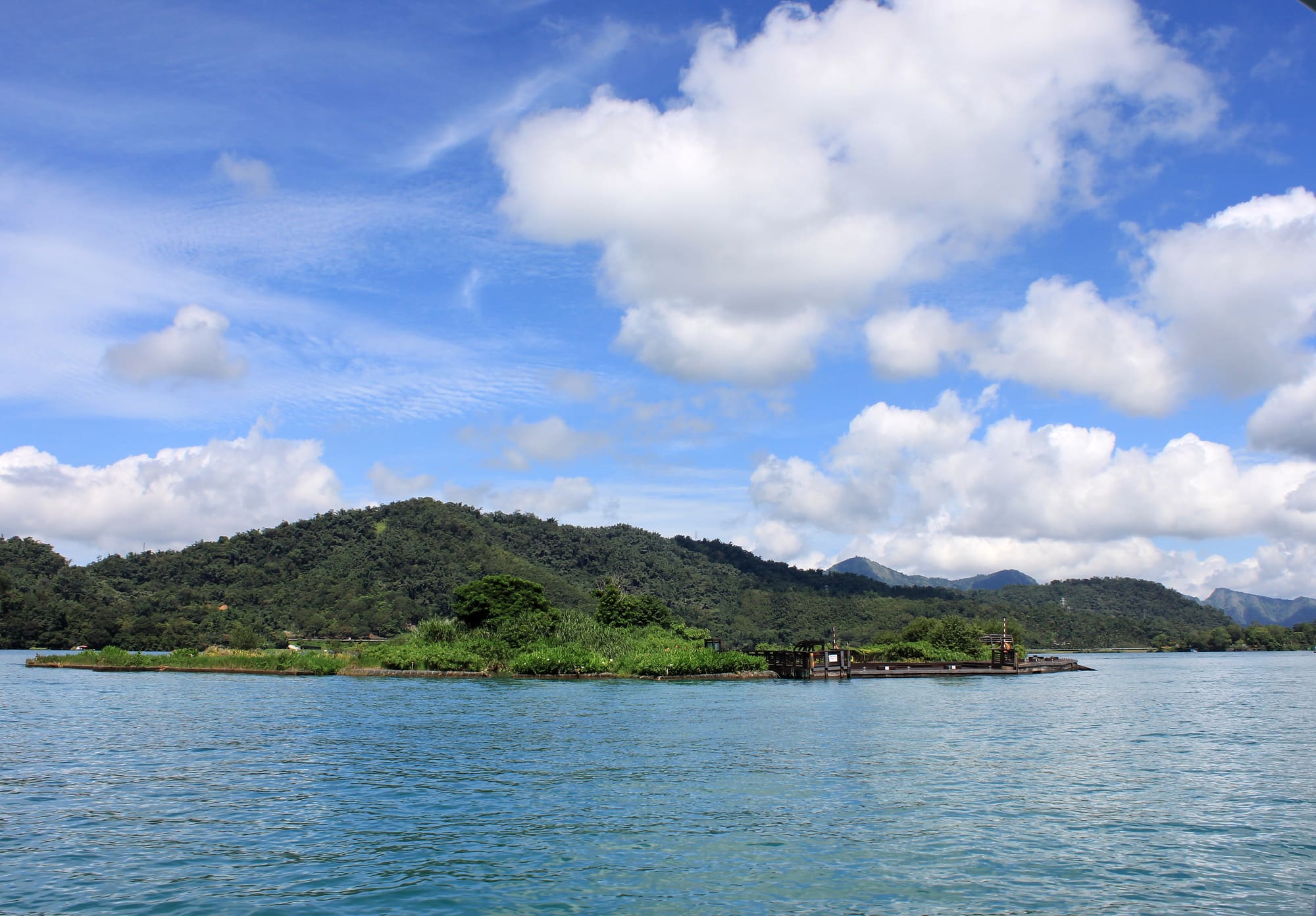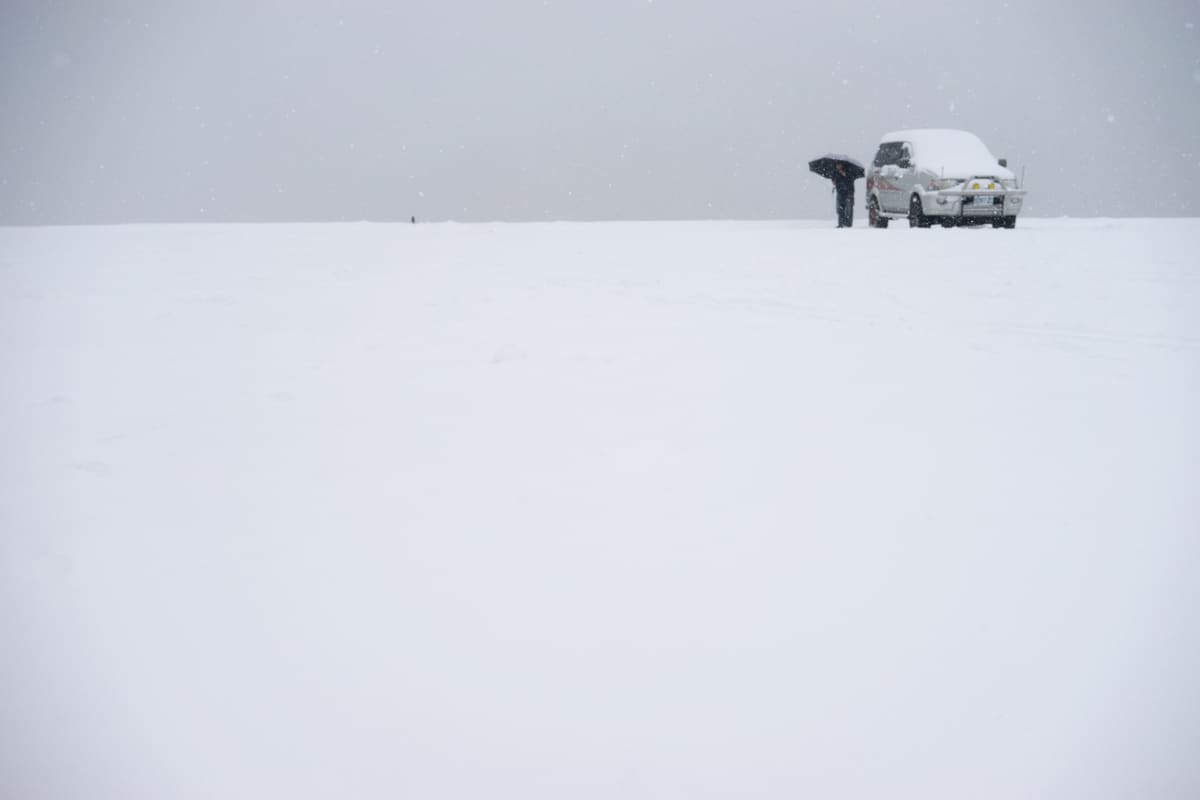
Nantou has no bad season, but it has very different ones. The lake is pleasant year-round; the high mountains are a different proposition entirely. If you want one answer: late October and November is the best all-round window — warm, dry, past the typhoons, into the maple season and before the winter crowds. If you want snow, come in February. If you want the sea of cloud, come any morning and sleep at altitude.
Season by season
Spring (March–May)
Blossom, peonies and rising humidity
February and early March bring cherry blossom, most spectacularly at the Formosan Aboriginal Culture Village, which stages one of Taiwan’s largest cherry festivals. The peony garden at Sun Link Sea peaks in March. Temperatures at the lake sit comfortably in the low twenties, but humidity climbs steadily and the plum rains arrive in May, bringing persistent afternoon cloud to the mountains.
Summer (June–August)
Hot below, perfect above — and typhoon season
This is when Taiwanese visitors come to Nantou, and for a good reason: while the plains sit at 35°C, Cingjing is around 20°C and Hehuanshan is cooler still. The lake is warm and busy, the forests at Xitou are a genuine relief, and everything in the mountains is at its greenest. The catch is typhoons, which run from July into September and can close mountain roads for days or weeks.
Autumn (September–November)
The best time to come
Once the typhoon risk drops in late September, Nantou is at its finest. Skies are clearer than at any other time of year, humidity falls, the lake is calm in the mornings, and from late November the maples at Aowanda put on the best autumn colour display in Taiwan. If you can only come once, come now.
Winter (December–February)
Cold, clear and the only chance of snow
The lake stays mild — rarely below 12°C — and is at its quietest and most atmospheric, with mist on the water most mornings. Up high it is a different world: Hehuanshan drops below freezing and gets snow in January and February, which draws enormous crowds from the lowlands and can close the road entirely. Lunar New Year is the single busiest week of the year across the whole county.
Quick recommendations
- Best overall: late October to November — dry, clear, warm and the maples are turning.
- Best for snow: January and February on Hehuanshan, with the caveat that the road may be closed or chained-only.
- Best for cherry blossom: February, especially at the Formosan Aboriginal Culture Village and around Puli.
- Best for escaping the heat: July and August at Cingjing and Xitou, where it is ten to fifteen degrees cooler than the plains.
- Best value and fewest people: weekdays in March, or the second half of September once the typhoon risk has passed.
- Avoid if you can: Lunar New Year, Tomb Sweeping and any three-day weekend — prices double and the mountain roads jam.
Mountain weather and road closures
The single most important planning note for Nantou is that Provincial Highway 14A, the road to Cingjing and Hehuanshan, is not always open. It closes for snow and ice in winter, for landslides after typhoons and heavy rain, and occasionally for repairs. Closures are sometimes announced only hours ahead. If Hehuanshan is the reason for your trip, build in a spare day, check conditions the night before, and have a fallback plan — Xitou and the lake are unaffected by anything short of a direct typhoon hit.